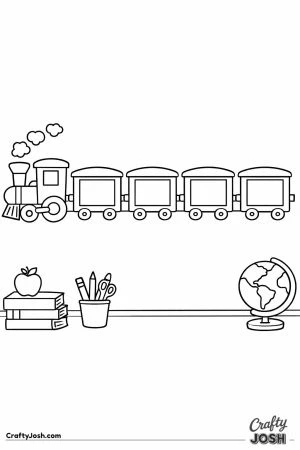
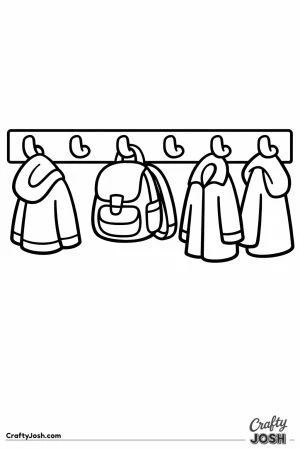
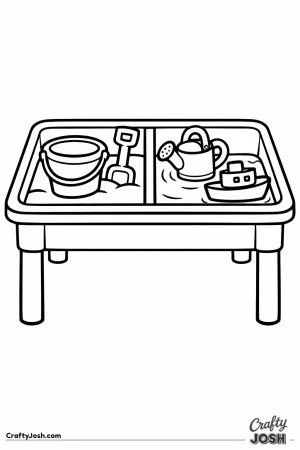
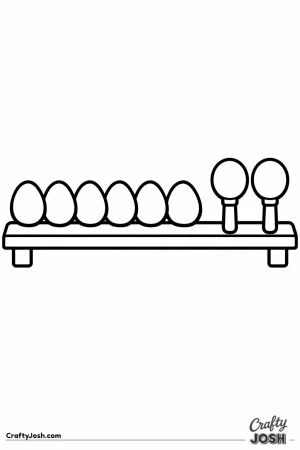
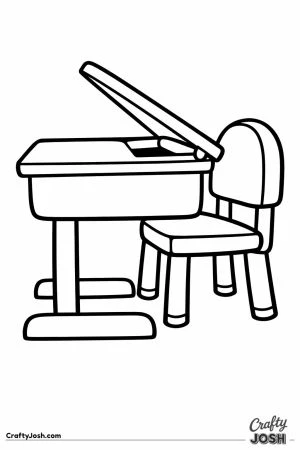
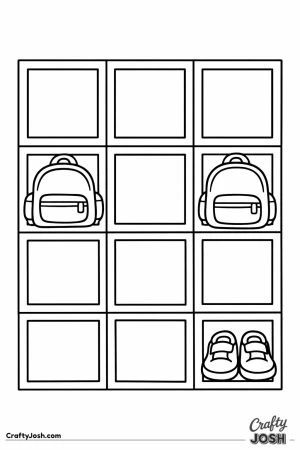
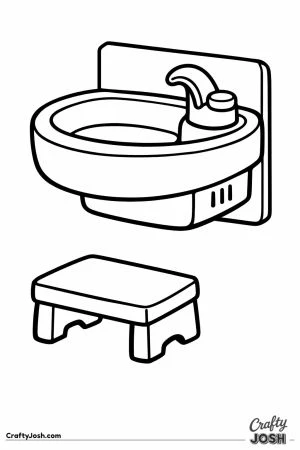
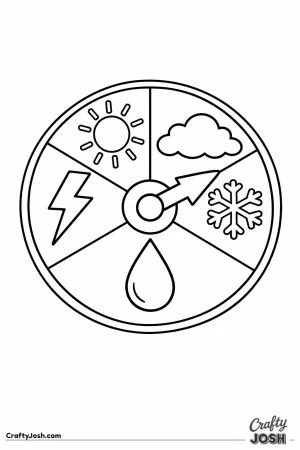
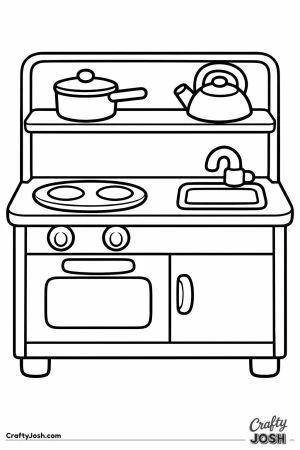
Most children see the classroom before they see anything else about school, and it's usually the reading corner or the fish tank they remember. Our Classroom Scenes coloring pages take that room apart corner by corner, from the carpet circle to the coat hooks. Every design is a free printable you can download as a PDF in US Letter or A4.
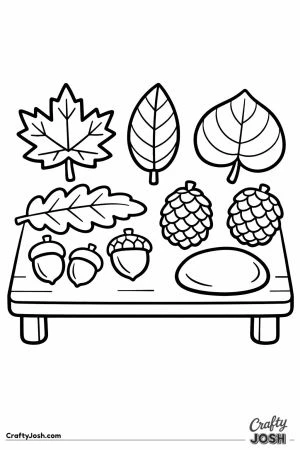
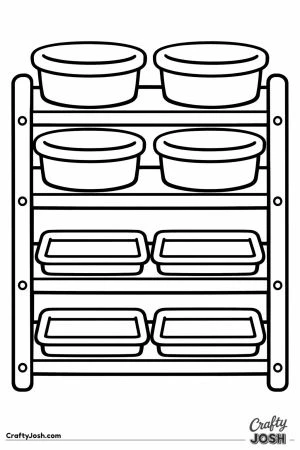
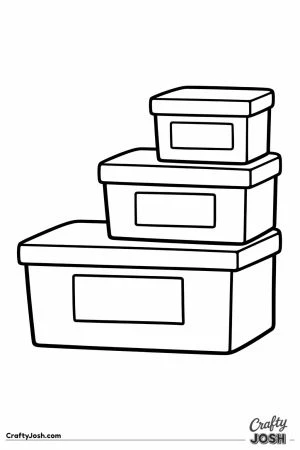
The 53 pages here are drawn for under-fives, so the furniture is big and blocky and the rooms are kept almost empty. You'll find the art table, the block corner, the nature table, the music shelf and the wall displays, each as its own page.
They work well for parents showing a toddler what a classroom actually looks like before they set foot in one, and for teachers who want printables that match the room their class is sitting in. If your child enjoys these, our School Supplies coloring pages and Jobs coloring pages fit alongside them.
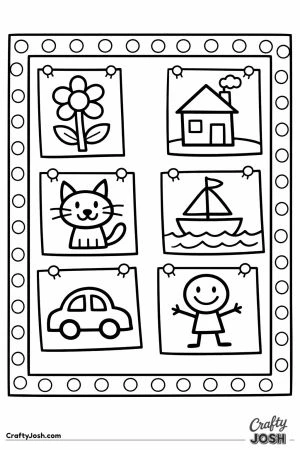
Display board covered in pinned up childrens artwork
🖍 Coloring Tip:The whiteboard, the labels and the chart slots are all left blank on purpose, so fill them with purple squiggles and yellow dots rather than trying to write on them.
5 easy activities using Classroom Scenes coloring pages
All five use paper, scissors and glue and nothing else. Two of them end up as something a teacher can actually put on the wall.
Design a dream classroom
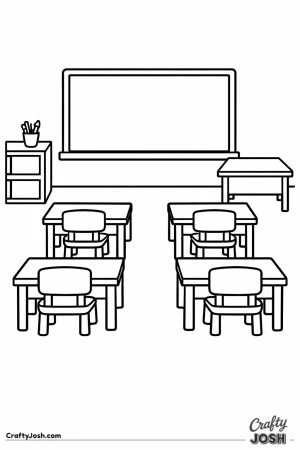
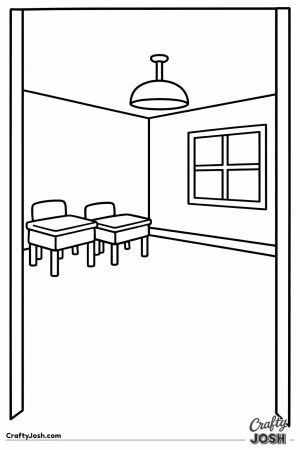
The empty classroom seen from the doorway is drawn deliberately bare, with almost nothing in it. Hand it to your child and let them fill the space with whatever they'd want in a room of their own - a slide, a dinosaur corner, a bunk bed in the reading nook.
It's a good way to find out what they're hoping school will be like.
You'll need:
The empty classroom page
Crayons and a pencil
How to do it:
Color the walls, floor and window first
Ask what should go in the empty space and let them draw it in
Talk through each addition as it appears
Write their answers on the back if you want to keep them
Print another copy after a few weeks at school and compare the two.
Make a tiny display board
The display board page has six blank sheets of artwork pinned to it. Your child draws a miniature version of something they've actually made in each one, so the page becomes a record of their own work.
Teachers can print a set and have each child fill in one panel for a shared wall.
You'll need:
The display board page
Fine coloring pens or pencils
How to do it:
Color the board and its border first
Draw a small copy of a real painting or model in each of the six panels
Color the pins around the edges
Pin the finished page onto the real display board
A page of six tiny drawings takes far less wall space than six real paintings.
Turn the helper chart into a real job chart
The helper chart page comes with six blank name slots and six job pictures beside them. Color it, laminate it or cover it with clear tape, and clip a wooden clothespin beside each job with a child's name written on it.
Clip the pins to a different job each Monday and it works for the whole year.
You'll need:
The helper chart page
Crayons and a marker pen
Six wooden clothespins
Clear tape or a laminating pouch
How to do it:
Color the six job pictures in different shades so they're easy to tell apart
Cover the whole page with clear tape or laminate it
Write one name on each clothespin
Clip the pins along the edge beside whichever job they have that week
Add a spare pin so a new child can join without redoing the chart.
Play find it in the real room
Print several of these pages, cut them into cards and hand them out. Each child has to go and find the real version of the thing on their card - the clock, the coat hooks, the water fountain, the drying rack.
For a child who has just started, it turns a strange room into somewhere they've explored.
You'll need:
Six or more colored classroom pages
Scissors
How to do it:
Color the pages and trim each one down to a card
Hand one card to each child face down
Turn them over together and let everyone go and find their object
Meet back on the carpet and take turns saying where it was
Works just as well at home with the kitchen or the living room.
Build a classroom inside a shoebox
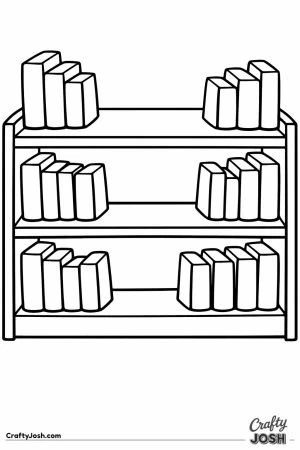
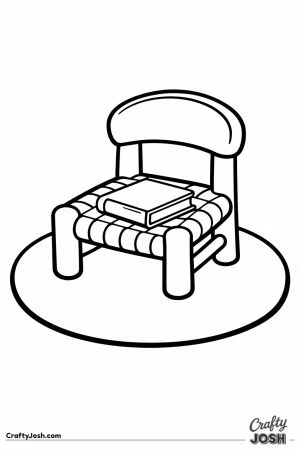
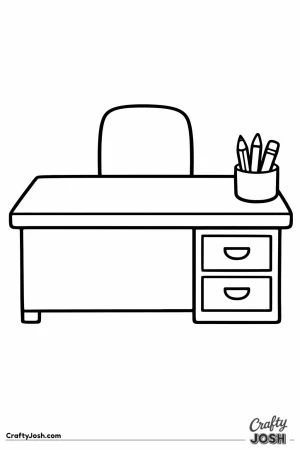
Cut the furniture out of several pages - the desks, the bookshelf, the teacher's chair, the rug - and stand them up inside an empty shoebox to make a small model room. Fold a tab at the base of each piece so it stands on its own.
Small figures or toy animals can then move around inside it.
You'll need:
Four or five colored classroom pages
An empty shoebox
Scissors and glue
A few small toy figures
How to do it:
Color the furniture pages and cut each item out separately
Fold a small flap along the bottom edge of each piece
Glue the flaps to the floor of the shoebox so the furniture stands upright
Glue the rug down flat and arrange the rest around it
Stand the box on its side so the open end becomes the front wall.
The word kindergarten means children's garden in German. The man who invented it nearly two hundred years ago thought young children should be looked after the way a gardener looks after young plants, with space, light and time to grow.