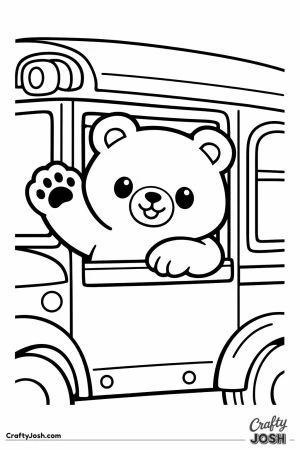
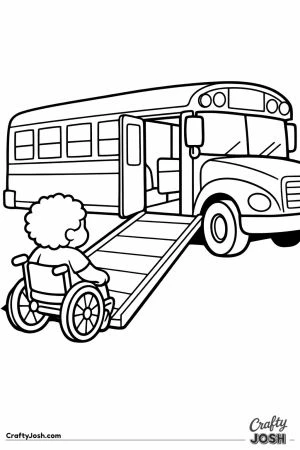
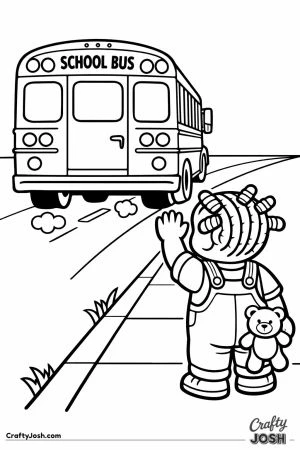
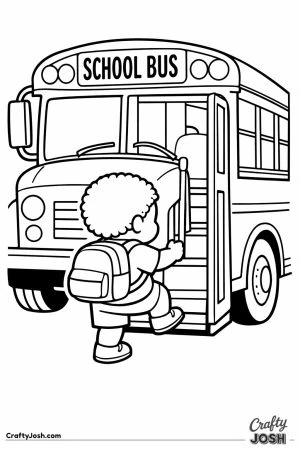
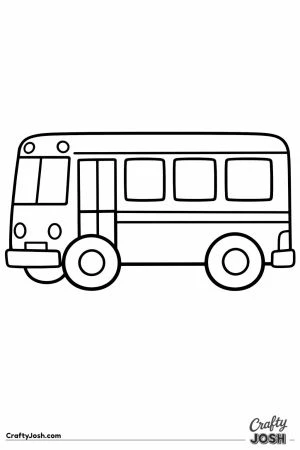
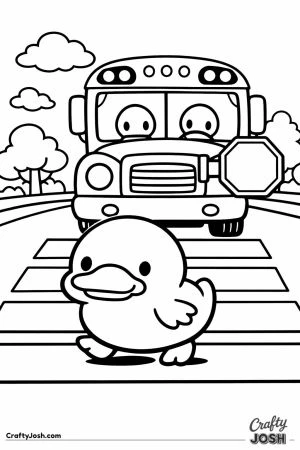
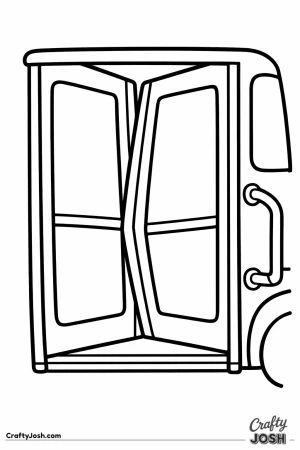
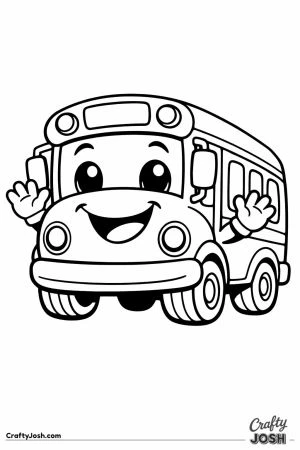
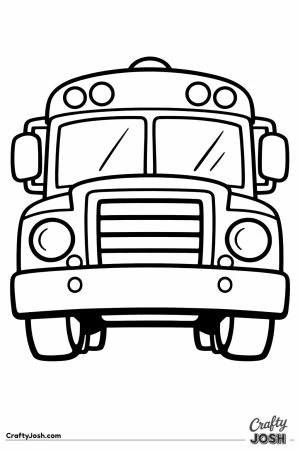
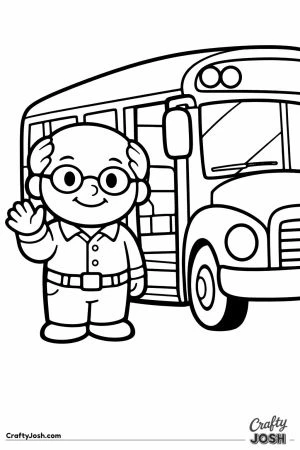
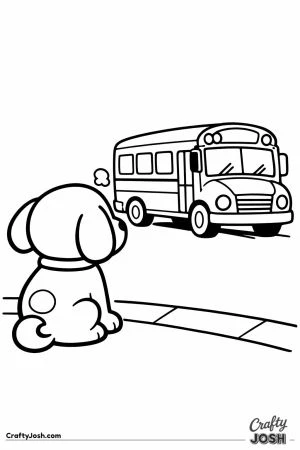
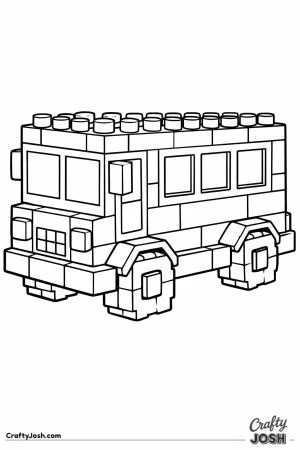
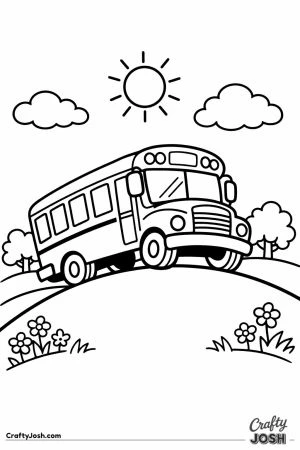
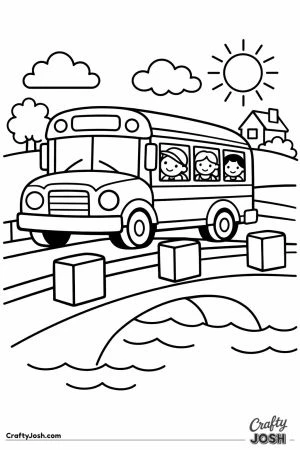
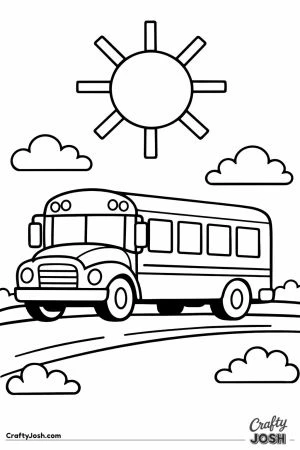
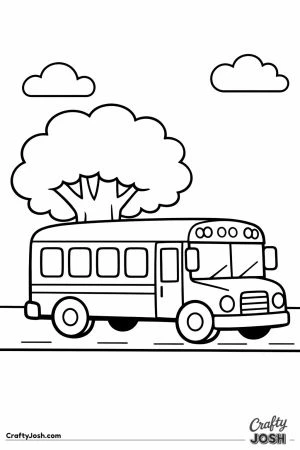
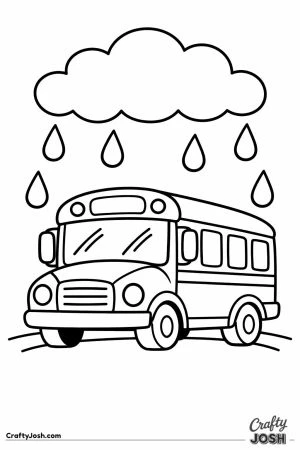
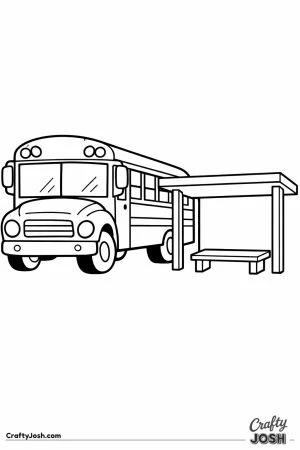
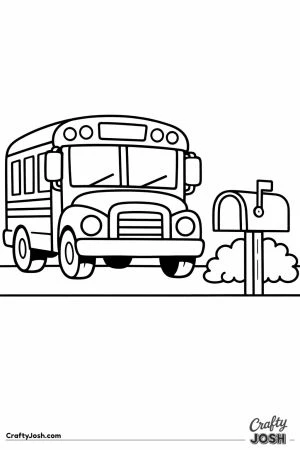
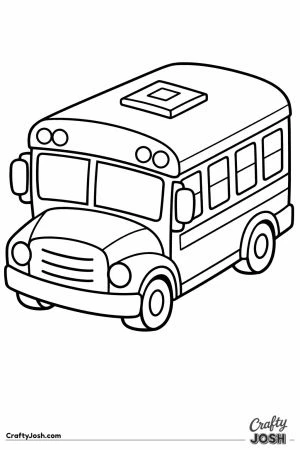
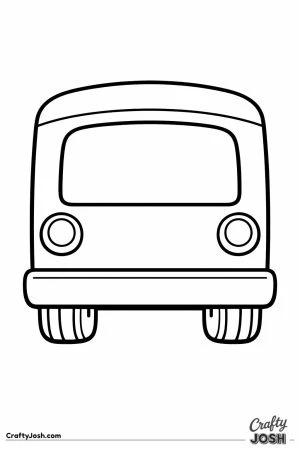
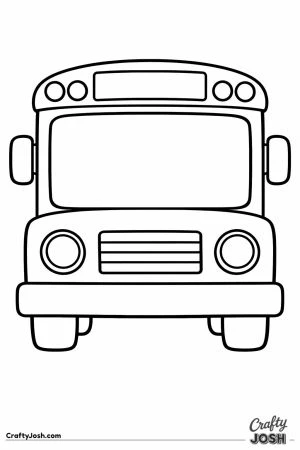
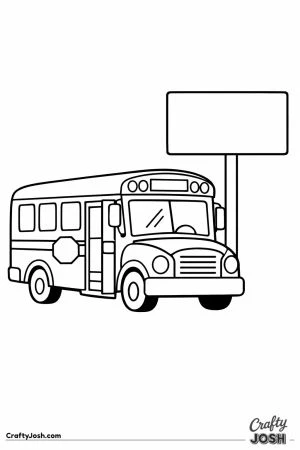
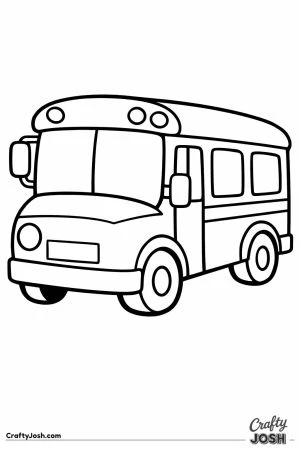
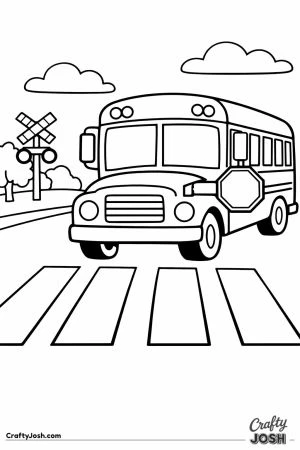
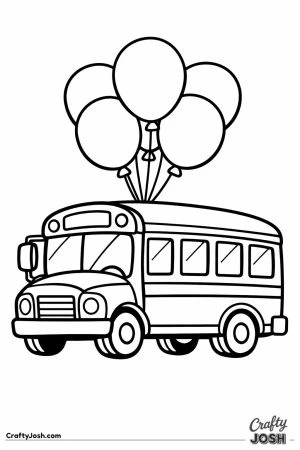
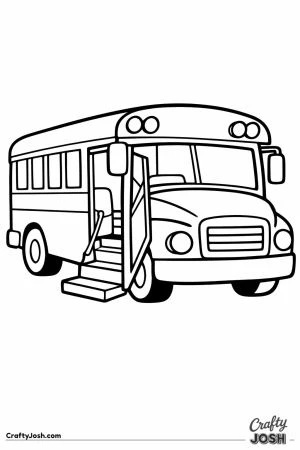
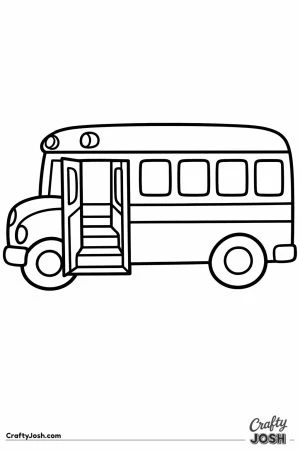
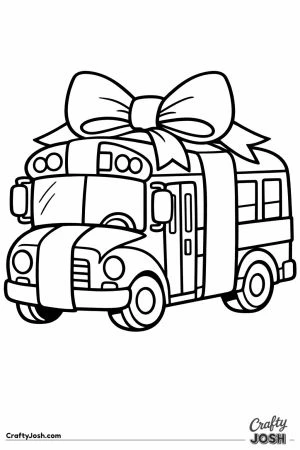
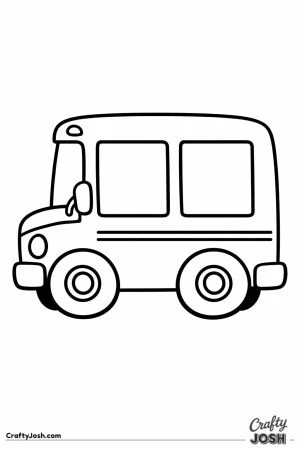
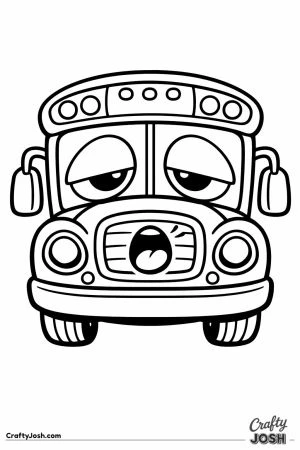
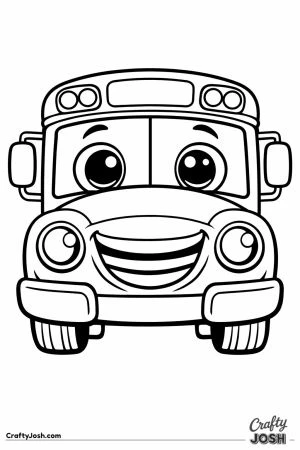
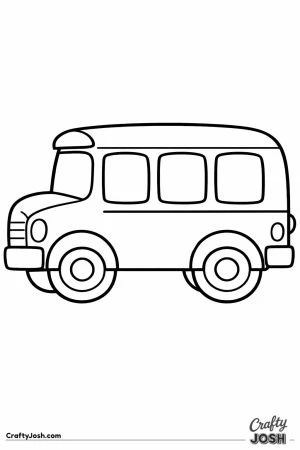
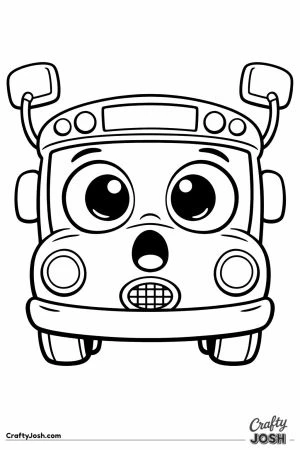
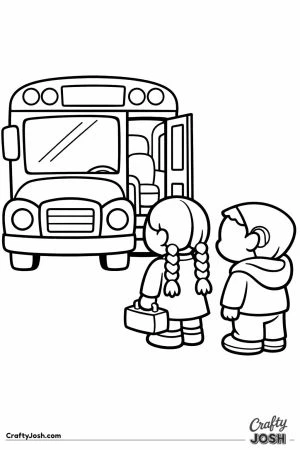
Ask a three year old to name a vehicle and there's a good chance you'll get the school bus, long before they've ever ridden in one. Our School Bus coloring pages lean into that, with big simple buses drawn from every angle a small child finds interesting. Each design is a free printable you can download as a PDF in US Letter or A4.
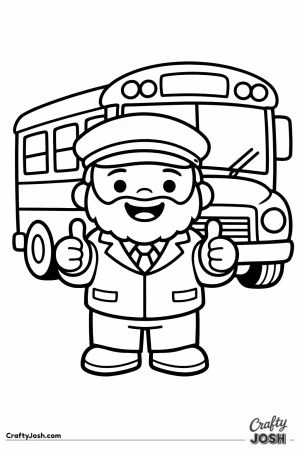
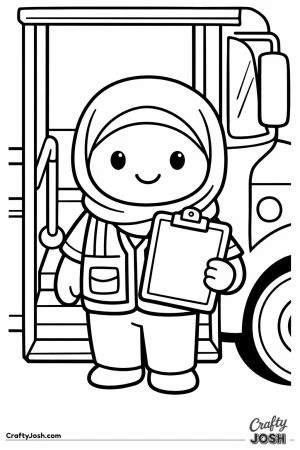
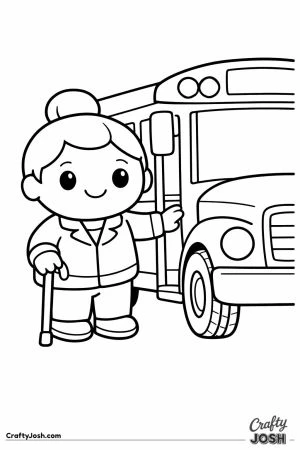
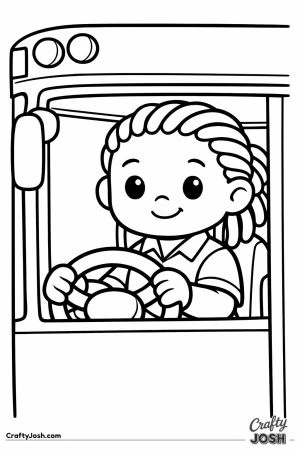
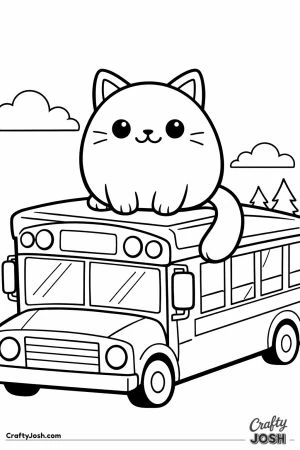
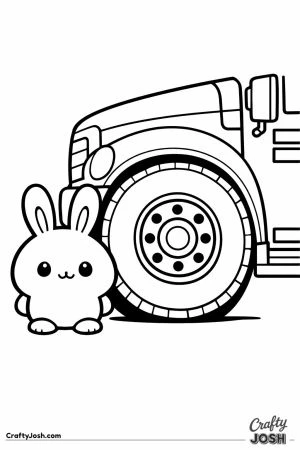
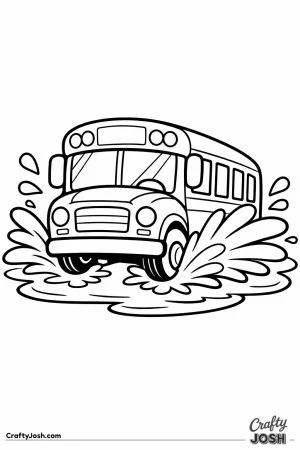
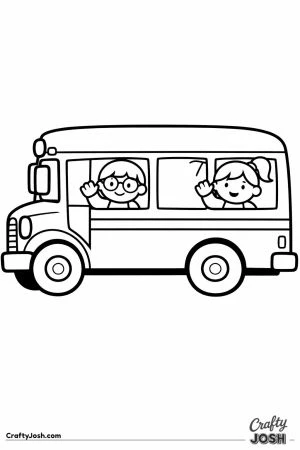
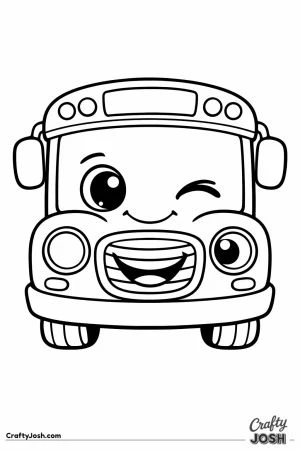
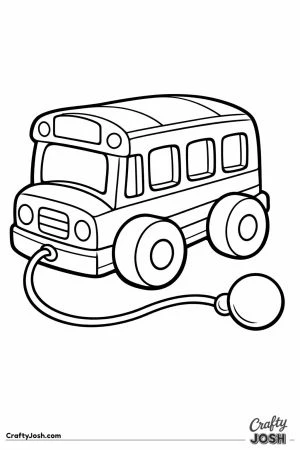
All 60 designs are drawn for under-fives, so the windows are wide, the wheels are chunky and there's nothing fiddly to work around. You'll find side views, front views, buses with friendly faces, drivers, and a few silly ones like a bus splashing through a puddle.
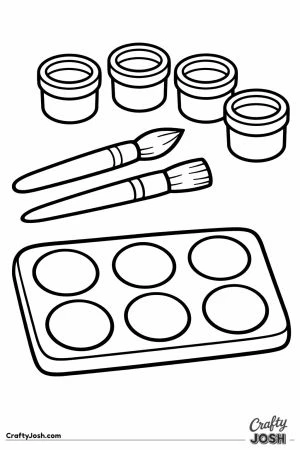
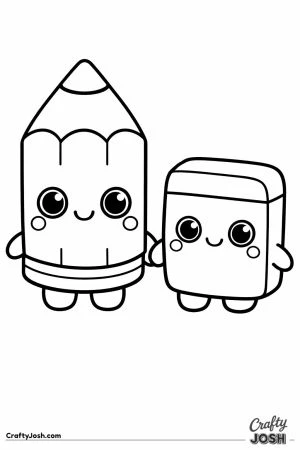
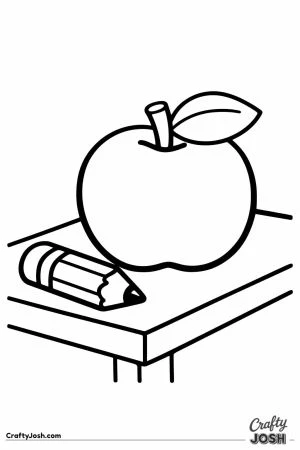
These suit parents getting a toddler used to the idea of the bus before the first term starts, and preschool teachers looking for something every child in the room will recognize. If your child likes these, our Vehicles coloring pages and School Supplies coloring pages are worth a look too.
None of these need anything beyond scissors, glue and whatever is already in the crayon box. They work at a kitchen table or on a classroom carpet.
Build a paper bus with a stop arm that really moves
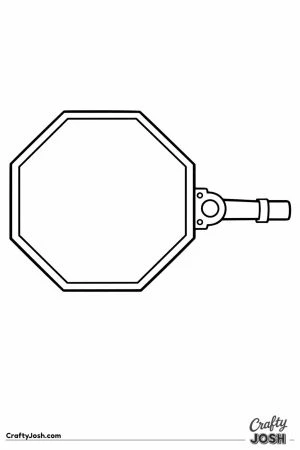
The page showing the stop sign arm swung out on its hinge can be cut away from a second bus page and pinned back on with a split pin, so the arm swings in and out just like the real thing.
Small children will open and close it over and over, which is exactly the point.
You'll need:
One side-view bus page and one stop sign arm page
Crayons
Scissors
A split pin, also called a paper fastener
How to do it:
Color both pages, then cut out the bus and the stop arm separately
Push the split pin through the base of the arm and then through the side of the bus
Open the legs of the pin flat behind the bus
Swing the arm out and back to check it turns freely
Tape the bus to a wall at child height so the arm gets used all week.
Fill the windows with everyone you know
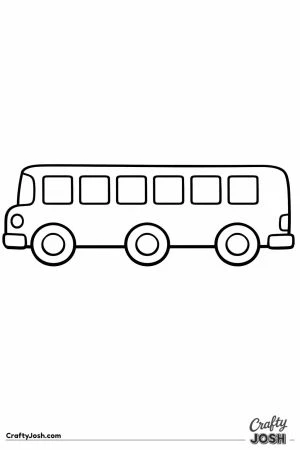
Take the long bus that stretches right across the page and let your child draw a face in each window, one for every person in the family, or for each child in their class.
It's a simple way to talk through who else will be on the bus before the first morning arrives.
You'll need:
The long school bus page with six windows
Crayons or fine coloring pens
How to do it:
Color the bus body first and leave the windows empty
Draw one simple face in each window, talking about who each one is
Add hair, glasses or a hat so each face looks different
Put the finished bus on the fridge
Print a second copy in a few months and see how the faces have changed.
Lay out a bus route on the floor
Spread a few colored pages across the carpet as stops - the shelter page, the mailbox page, the crossing page - then let your child drive a toy bus from one to the next in order.
Naming each stop as they arrive turns it into a talking game rather than just pushing a toy around.
You'll need:
Four or five colored bus scene pages
A small toy bus or car
String or ribbon to mark the road, if you want one
How to do it:
Color the scene pages and spread them around the floor
Lay string between them to make a winding road
Drive the toy bus from stop to stop, naming each one out loud
Swap the order of the stops and drive the route backward
Add a new stop each time you print another page.
Join several pages into one very long bus
Print three or four side-view bus pages, trim the front off some and the back off others, then glue the middles together end to end. The result is a ridiculously long bus that stretches along a hallway wall.
Children find the silliness of it funny, and it gives a group of them something to build together.
You'll need:
Three or four side-view bus pages
Scissors and a glue stick
Sticky tack for hanging
How to do it:
Color all the pages first
Keep the front end of one page and the back end of another
Trim the middle pages so they are body and windows only
Glue the sections together in a line, overlapping slightly
Hang it along a wall at child height
Count the windows together once it's up.
Make a thank you card for the driver
Fold a sheet of card, glue a colored bus onto the front, and you have a card ready for the end of term or the last day before a holiday.
Bus drivers rarely get one, and a small child handing it over on the steps is a nice moment.
You'll need:
One front-view or three-quarter view bus page
A sheet of card or thick paper
Scissors and glue
How to do it:
Color the bus and cut around the outline
Fold the card in half to make the blank card
Glue the bus onto the front
Let your child add their own marks inside while you write the message
Make a few at once if there's more than one driver on the route.
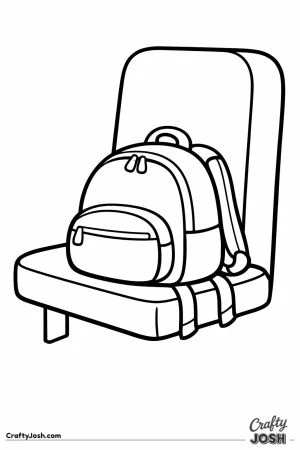
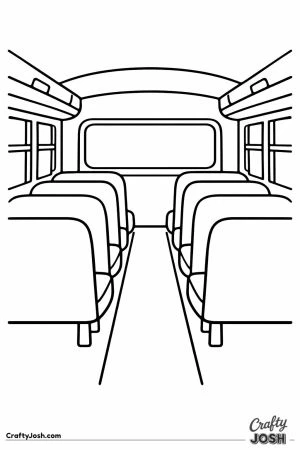
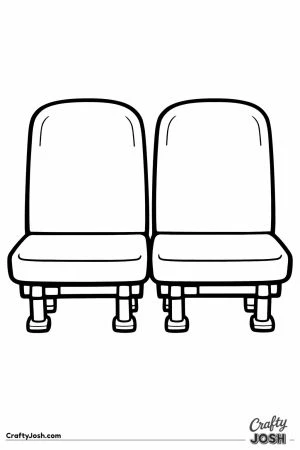
School bus seats are built tall and padded and packed close together on purpose. The idea is that the seat in front acts like a cushion, so children stay protected by the seats around them, a bit like eggs in an egg box.
There's plenty more waiting before the term starts - head back to our full Back to School coloring pages collection for the rest.
Words to know about School Buses
Some useful bus words to learn together while your child fills in the pages.
Route - the path a bus follows each day, stopping at the same places every time.
Stop arm - the sign that swings out from the side so other cars know to wait.
Aisle - the walkway down the middle of the bus between the two rows of seats.
Chassis - the strong frame underneath a bus that the wheels and body are built onto.
Hubcap - the round cover in the middle of a wheel that hides the parts inside.
Depot - the big garage where all the buses are parked and looked after overnight.
Coloring Pages FAQ
Can I reupload these coloring pages to my own site or share the files?
No - please don’t upload or redistribute the files; they’re for personal/educational use only.
Do you add new coloring pages often?
Yes - we’re always adding new coloring pages and categories.
Can teachers use these coloring pages with a class?
Yes - teachers can print them for non-commercial classroom use.
Can I share the finished coloring pages on social media?
Yes - sharing finished artwork is encouraged, and you’re welcome to tag us if you’d like.
Will regular printer paper work for these coloring pages?
Yes - regular paper works for crayons and pencils, but thicker paper is better for markers or paint.